

24x7 Emergency & Critical CareRachanapalli, Anantapur

Emergency Care

Stroke: Recognising FAST and Why Every Minute Counts

Around 1.9 million brain cells die every minute during a stroke. Recognising three simple signs and calling 108 immediately is the difference between recovery and lifelong disability.

The FAST test takes ten seconds

  • F — Face: ask the person to smile. Does one side of the face droop?
  • A — Arms: ask them to raise both arms. Does one drift downward?
  • S — Speech: ask them to repeat a simple sentence. Is speech slurred or strange?
  • T — Time: if any of these are present, note the time symptoms started and call 108 immediately
Worth knowing

The time symptoms began is the single most important piece of information you can give the hospital. If the person woke up with symptoms, the relevant time is when they were last seen well.

Other stroke symptoms worth knowing

  • Sudden numbness or weakness of the face, arm or leg, particularly on one side
  • Sudden confusion or trouble understanding what is being said
  • Sudden loss of vision in one or both eyes, or double vision
  • Sudden severe dizziness, loss of balance or inability to walk
  • Sudden severe headache with no known cause — often described as the worst headache of one's life

Why the treatment window is so narrow

Most strokes are ischaemic — a clot blocks an artery supplying part of the brain. Clot-dissolving medication can reopen that artery, but it is generally only usable within four and a half hours of symptom onset, and every thirty-minute delay within that window reduces the chance of a good outcome.

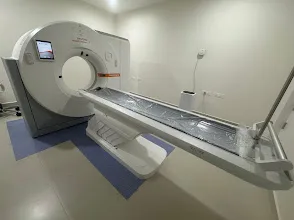
Before any treatment can be given, a CT scan must confirm that the stroke is not caused by bleeding, because clot-dissolving drugs would be catastrophic in a haemorrhagic stroke. This is why patients must be brought to a hospital with round-the-clock CT imaging rather than to a clinic.

What not to do

  • Do not wait to see if symptoms improve — transient improvement does not mean the stroke is over
  • Do not give food, water or medication by mouth; swallowing is often unsafe and can cause the fluid to enter the lungs
  • Do not give aspirin before a scan — if the stroke is due to bleeding, aspirin makes it worse
  • Do not massage, apply oil or attempt traditional remedies while the clock is running
  • Do not drive the patient yourself if an ambulance is available — 108 crews can pre-alert the hospital

Recovery does not end at discharge

Rehabilitation begins in hospital, often within 24 to 48 hours, and continues for months. Physiotherapy for limb strength and walking, speech therapy where language is affected, and occupational therapy for daily activities all produce measurable gains — but the greatest recovery happens in the first three to six months, so consistent effort during that period matters enormously.

Equally important is preventing the second stroke. Blood pressure control, blood thinners or anticoagulants where indicated, cholesterol treatment, diabetes control, stopping tobacco and treating atrial fibrillation together reduce recurrence risk substantially.

Key takeaways

  • Face droop, arm weakness and slurred speech mean stroke — call 108 without delay.
  • Note and report the exact time symptoms began, or when the person was last seen well.
  • Clot-dissolving treatment usually requires arrival within four and a half hours.
  • Never give food, water or aspirin before a CT scan has ruled out bleeding.
A note on medical advice

This article is general health education written and reviewed by the Department of Emergency Medicine at SIMS. It is not a substitute for an examination, a diagnosis or the advice of your own treating doctor, and it cannot account for your history, medicines or reports. If a symptom is sudden or severe — chest pain, stroke symptoms, breathing difficulty, serious injury, seizures or heavy bleeding — call 9281862028 or come straight to the emergency department instead of reading further.

StrokeEmergencyNeurologyFAST

Not sure which department you need?

Describe the symptom and the appointment desk will route you to the correct consultant. For anything sudden or severe, come to the emergency department instead of waiting for a callback.