Chronic Kidney Disease: Catching It Before Dialysis
Kidney function can fall to a quarter of normal without producing a single symptom. Two inexpensive tests find it years earlier — and almost nobody asks for them.
Read article
Medical
Chronic kidney disease management, dialysis support and transplant workup.
Nephrology manages kidney disease from the earliest detectable stage through to dialysis. In this region, diabetes and long-standing high blood pressure account for the majority of chronic kidney disease — both of which are silent until a substantial amount of kidney function has already been lost.
That silence is why screening matters. A simple serum creatinine and urine protein test in anyone with diabetes, hypertension or a family history of kidney disease can identify a problem years before symptoms appear, when slowing progression is still realistic.
The department also handles acute kidney injury — a sudden fall in kidney function caused by dehydration, sepsis, obstruction or medication toxicity. Many of these patients recover fully if the cause is identified and treated quickly.
The presentations seen most often in this department. If your symptom is not listed, book a consultation anyway — the clinic will redirect you if another speciality fits better.
Equipment matters only when it is available at the moment of need. These services sit on the same campus, with laboratory and imaging cover round the clock.
Do not wait for an outpatient appointment if any of the following applies. Call 9281862028 or come straight to the emergency department, which is open 24 hours and does not require an appointment.
Not always. Dialysis for acute kidney injury is often temporary, and many patients recover kidney function and stop. Dialysis for end-stage chronic kidney disease is usually long-term unless a transplant is possible.
Established scarring cannot be reversed, but progression can be slowed substantially — often by years — through tight blood pressure control, blood sugar control, specific medications that protect the kidney, salt restriction and avoiding painkillers of the NSAID class.
Health Library
Plain-language guides written and reviewed by our departments — what the condition is, what the tests mean and what you can do at home.
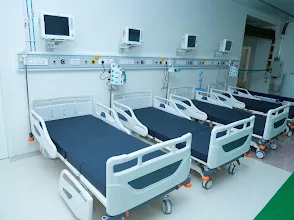 Kidney & Urology
Kidney function can fall to a quarter of normal without producing a single symptom. Two inexpensive tests find it years earlier — and almost nobody asks for them.
Read article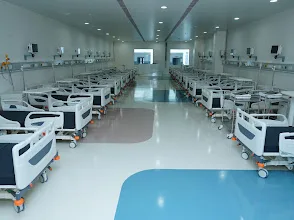 Women's Health
The first antenatal appointment sets the pattern for the whole pregnancy. Knowing what will happen — and what information to bring — makes it far more useful.
Read article Women's Health
More than half of pregnant women in India are anaemic. It is the most treatable cause of low birth weight, premature delivery and postpartum haemorrhage — and the treatment costs almost nothing.
Read articleShare the symptom and your preferred day, and the appointment desk will confirm a slot. If the problem is sudden or severe, come to the emergency department instead — it is open 24 hours.