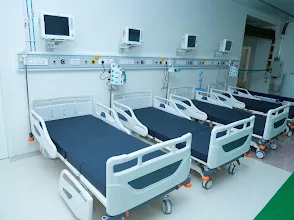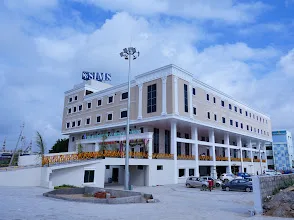
24x7 Emergency & Critical CareRachanapalli, Anantapur

Blood & Nutrition

Anaemia

Anaemia is a low level of haemoglobin, the protein in red cells that carries oxygen. It is extremely common among women and adolescent girls in this region, and it is a symptom of something else — so finding the cause matters as much as correcting the count.

Symptoms

Not everyone gets every symptom, and the pattern can differ in older people, in people with diabetes and in children. These are the ones most often reported.

  • Tiredness, weakness and reduced capacity for daily work
  • Pallor of the palms, tongue, nail beds and inner eyelids
  • Breathlessness and palpitations on mild exertion
  • Giddiness and headache
  • Brittle nails, hair fall and cracks at the corners of the mouth
  • Unusual cravings for mud, chalk or ice
  • Swelling of the feet in severe anaemia

When to see a doctor

Do not wait these out

If any of the following applies, arrange to be seen the same day. For anything sudden or severe, call 9281862028 or come straight to the emergency department at SIMS — it is open 24 hours and does not need an appointment.

  • Breathlessness at rest, chest pain or fainting with known anaemia
  • Anaemia with black stools, blood in stool, or heavy menstrual bleeding
  • Anaemia in a man or in a woman after menopause, which needs a cause to be found
  • Anaemia not improving after a proper course of iron treatment

Tests that may be advised

Your consultant will order only the investigations that change the plan. Most of the following are available on the SIMS campus, so results usually come back the same visit.

  • Complete blood count with red cell indices and peripheral smear
  • Serum ferritin, iron studies, vitamin B12 and folate
  • Stool examination for occult blood and parasites
  • Haemoglobin electrophoresis where a thalassaemia trait or sickle cell disorder is suspected
  • Endoscopy or colonoscopy where gastrointestinal blood loss is suspected
  • Kidney function tests and thyroid function

How it is treated

Treatment is decided case by case — by how advanced the problem is, what else you are being treated for, and what you can realistically sustain. Broadly, it involves the following.

  • Iron, vitamin B12 or folate replacement based on the deficiency identified
  • Treating the underlying cause — worms, ulcer, piles, heavy periods, kidney disease
  • Dietary advice on iron-rich foods, with vitamin C at the same meal and tea or coffee away from meals
  • Deworming where indicated, particularly in children and agricultural workers
  • Intravenous iron or transfusion in severe or symptomatic anaemia
  • Repeat blood count after treatment to confirm the response
This page is general information, not a diagnosis

Anaemia can look like several other conditions, and the reverse is equally true. Nothing here can replace an examination, your test results and the judgement of the doctor treating you — and no medicine mentioned by name to a friend or relative should be started on the strength of this page. If you recognise yourself in it, book a consultation with the General Medicine department. If a symptom is sudden or severe, call 9281862028.

Worried it might be anaemia?

A consultation settles the question far faster than more reading. Tell us your symptoms and we will route you to the department that treats it.