24x7 Emergency & Critical CareRachanapalli, Anantapur

Bones & Joints

Slipped Disc and Sciatica

A slipped or prolapsed disc occurs when the soft cushion between two spinal bones bulges and presses on a nerve. When the nerve to the leg is affected, the pain runs from the lower back into the buttock and down the leg — this is sciatica.

Symptoms

Not everyone gets every symptom, and the pattern can differ in older people, in people with diabetes and in children. These are the ones most often reported.

  • Low back pain that shoots down one leg, sometimes to the foot
  • Pain worsened by coughing, sneezing, bending or sitting for long periods
  • Tingling or numbness along the back or side of the leg
  • Weakness of the foot or difficulty standing on the toes or heel
  • Relief on lying flat, worsening on prolonged standing or travel

When to see a doctor

Do not wait these out

If any of the following applies, arrange to be seen the same day. For anything sudden or severe, call 9281862028 or come straight to the emergency department at SIMS — it is open 24 hours and does not need an appointment.

  • Weakness of the leg or foot that is getting worse
  • Loss of control of urine or stool, or numbness around the groin and inner thighs — attend the emergency department immediately
  • Severe pain not settling with rest and medication after a few weeks
  • Back pain with fever, weight loss or a history of cancer or tuberculosis

Tests that may be advised

Your consultant will order only the investigations that change the plan. Most of the following are available on the SIMS campus, so results usually come back the same visit.

  • Clinical examination including straight leg raise and neurological testing
  • X-ray of the lumbar spine
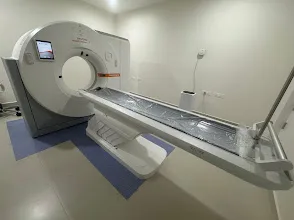
  • MRI of the spine when symptoms persist or there is nerve weakness
  • Nerve conduction studies in selected patients
  • Blood sugar and inflammatory markers where infection is a concern

How it is treated

Treatment is decided case by case — by how advanced the problem is, what else you are being treated for, and what you can realistically sustain. Broadly, it involves the following.

  • Short period of relative rest, then early graded activity — prolonged bed rest delays recovery
  • Pain-relieving and nerve-pain medication for a defined period
  • Structured physiotherapy with core and back strengthening
  • Correcting posture, lifting technique and long two-wheeler rides on rough roads
  • Surgery — discectomy or decompression — for progressive weakness, bladder involvement or pain that has failed adequate conservative treatment
This page is general information, not a diagnosis

Slipped Disc and Sciatica can look like several other conditions, and the reverse is equally true. Nothing here can replace an examination, your test results and the judgement of the doctor treating you — and no medicine mentioned by name to a friend or relative should be started on the strength of this page. If you recognise yourself in it, book a consultation with the Orthopaedics department. If a symptom is sudden or severe, call 9281862028.

Worried it might be slipped disc and sciatica?

A consultation settles the question far faster than more reading. Tell us your symptoms and we will route you to the department that treats it.