Kidney Stones: Prevention in a Hot Climate
Anantapur's summer produces a predictable surge in kidney stone admissions. Recurrence is common — and largely preventable with changes most people can sustain.
Read article
Kidney & Urology
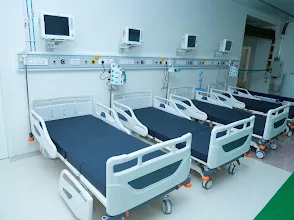
Kidney function can fall to a quarter of normal without producing a single symptom. Two inexpensive tests find it years earlier — and almost nobody asks for them.
The kidneys have enormous reserve. Function can decline substantially before waste products accumulate enough to cause fatigue, nausea or swelling. By the time symptoms appear, a great deal of irreversible scarring has usually occurred.
This is why kidney disease is so often diagnosed at a stage where dialysis is already being discussed — not because it progressed quickly, but because nobody looked earlier.
Ask for a urine albumin test, not just a routine urine examination. Standard urine dipsticks miss the small amounts of albumin that signal early kidney damage.
If kidney function continues to decline, planning ahead makes an enormous difference to outcomes. Creating dialysis access (an AV fistula) several months before it is needed avoids emergency catheter insertion. Evaluating for transplant early, including identifying a potential donor, considerably shortens the time on dialysis.
Patients who start dialysis in a planned way, with a working fistula and a prepared family, do measurably better than those who begin as an emergency. Ask your nephrologist about planning as soon as stage 4 is reached.
This article is general health education written and reviewed by the Departments of Nephrology & Urology at SIMS. It is not a substitute for an examination, a diagnosis or the advice of your own treating doctor, and it cannot account for your history, medicines or reports. If a symptom is sudden or severe — chest pain, stroke symptoms, breathing difficulty, serious injury, seizures or heavy bleeding — call 9281862028 or come straight to the emergency department instead of reading further.
Related reading
Articles our patients most often read alongside this one.
 Kidney & Urology
Anantapur's summer produces a predictable surge in kidney stone admissions. Recurrence is common — and largely preventable with changes most people can sustain.
Read article Cancer Awareness
Breast cancer in India is diagnosed at a later stage and at a younger age than in the West. Knowing what your own breasts normally feel like is the earliest possible warning system.
Read articleDiabetes & EndocrinologyA diagnosis of type 2 diabetes is not a sentence — it is a starting point. What you do in the first twelve months determines much of what the next thirty years look like.
Read articleDescribe the symptom and the appointment desk will route you to the correct consultant. For anything sudden or severe, come to the emergency department instead of waiting for a callback.