Chronic Kidney Disease: Catching It Before Dialysis
Kidney function can fall to a quarter of normal without producing a single symptom. Two inexpensive tests find it years earlier — and almost nobody asks for them.
Read article
Kidney & Urology
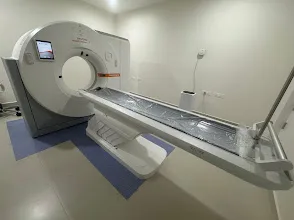
Anantapur's summer produces a predictable surge in kidney stone admissions. Recurrence is common — and largely preventable with changes most people can sustain.
Kidney stones form when urine becomes concentrated enough for minerals to crystallise. In a district where summer temperatures routinely exceed 42°C and a large share of the population works outdoors, fluid loss through sweat is enormous and urine output falls accordingly.
Add a diet often high in salt and low in citrus, plus a tendency to drink only when thirsty, and the conditions for stone formation are close to ideal. Recurrence rates without preventive measures are high — roughly half within five to ten years.
Loin pain with fever means a possibly infected, obstructed kidney. This needs emergency drainage, not painkillers and a wait-and-see approach.
Stones under about 5 mm frequently pass spontaneously with good hydration, pain control and medication that relaxes the ureter. Larger stones, or those causing obstruction, infection or unrelenting pain, need intervention.
Ureteroscopy with laser fragmentation is used for ureteric and many kidney stones. Percutaneous nephrolithotomy is used for large kidney stones. A double-J stent is often placed temporarily to keep the ureter open, and its removal is a short procedure — do not forget it, as a retained stent causes serious problems.
Collect the stone if possible — strain your urine through a fine sieve — and send it for analysis. Knowing whether it is calcium oxalate, uric acid, struvite or cystine allows genuinely specific prevention rather than generic advice.
A 24-hour urine study and a metabolic evaluation are worthwhile for anyone with recurrent stones, a single kidney, a family history, or stones at a young age.
This article is general health education written and reviewed by the Departments of Nephrology & Urology at SIMS. It is not a substitute for an examination, a diagnosis or the advice of your own treating doctor, and it cannot account for your history, medicines or reports. If a symptom is sudden or severe — chest pain, stroke symptoms, breathing difficulty, serious injury, seizures or heavy bleeding — call 9281862028 or come straight to the emergency department instead of reading further.
Related reading
Articles our patients most often read alongside this one.
 Kidney & Urology
Kidney function can fall to a quarter of normal without producing a single symptom. Two inexpensive tests find it years earlier — and almost nobody asks for them.
Read articleHeart HealthHypertension damages the heart, brain, kidneys and eyes for years without producing a single symptom. By the time it causes a headache, the damage is usually already done.
Read article Diabetes & Endocrinology
A diagnosis of type 2 diabetes is not a sentence — it is a starting point. What you do in the first twelve months determines much of what the next thirty years look like.
Read articleDescribe the symptom and the appointment desk will route you to the correct consultant. For anything sudden or severe, come to the emergency department instead of waiting for a callback.