Stroke: Recognising FAST and Why Every Minute Counts
Around 1.9 million brain cells die every minute during a stroke. Recognising three simple signs and calling 108 immediately is the difference between recovery and lifelong disability.
Read article
Brain & Nerves
Epilepsy is a tendency to have repeated seizures caused by abnormal electrical activity in the brain. It is a medical condition, not a curse or a possession, and the majority of patients become seizure-free on regular treatment.
Not everyone gets every symptom, and the pattern can differ in older people, in people with diabetes and in children. These are the ones most often reported.
If any of the following applies, arrange to be seen the same day. For anything sudden or severe, call 9281862028 or come straight to the emergency department at SIMS — it is open 24 hours and does not need an appointment.
Your consultant will order only the investigations that change the plan. Most of the following are available on the SIMS campus, so results usually come back the same visit.
Treatment is decided case by case — by how advanced the problem is, what else you are being treated for, and what you can realistically sustain. Broadly, it involves the following.
Epilepsy can look like several other conditions, and the reverse is equally true. Nothing here can replace an examination, your test results and the judgement of the doctor treating you — and no medicine mentioned by name to a friend or relative should be started on the strength of this page. If you recognise yourself in it, book a consultation with the Neurology department. If a symptom is sudden or severe, call 9281862028.
Health Library
Longer guides from our departments, written for patients and families in Anantapur.
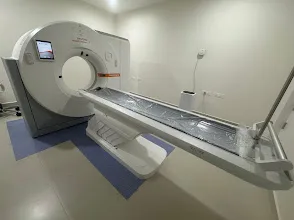 Emergency Care
Around 1.9 million brain cells die every minute during a stroke. Recognising three simple signs and calling 108 immediately is the difference between recovery and lifelong disability.
Read article Heart Health
Hypertension damages the heart, brain, kidneys and eyes for years without producing a single symptom. By the time it causes a headache, the damage is usually already done.
Read articleNeurologyAround 70% of people with epilepsy become seizure-free on medication. Most of the difficulty they face comes from stigma and misinformation rather than from the condition.
Read articleA consultation settles the question far faster than more reading. Tell us your symptoms and we will route you to the department that treats it.