Angina is chest discomfort that appears when the heart works harder — walking uphill, climbing stairs, hurrying — and settles with rest. It is the warning signal of narrowed coronary arteries, and it is far better to act on it than on the heart attack that may follow.
Symptoms
Not everyone gets every symptom, and the pattern can differ in older people, in people with diabetes and in children. These are the ones most often reported.
- Chest tightness or heaviness brought on by exertion, cold or emotion
- Discomfort that eases within a few minutes of stopping and resting
- Breathlessness on climbing stairs or walking a familiar distance
- Discomfort in the jaw, throat, left arm or between the shoulder blades on exertion
- Reduced exercise capacity compared with a few months earlier
When to see a doctor
Do not wait these outIf any of the following applies, arrange to be seen the same day. For anything sudden or severe, call 9281862028 or come straight to the emergency department at SIMS — it is open 24 hours and does not need an appointment.
- Chest discomfort on exertion that is new, or that is occurring at lower and lower levels of activity
- Angina that appears at rest or wakes you from sleep — this is unstable angina and needs emergency care
- Angina lasting longer than usual or not relieved by rest
- Any exertional chest symptom in a person with diabetes, a smoking history or a family history of early heart disease
Tests that may be advised
Your consultant will order only the investigations that change the plan. Most of the following are available on the SIMS campus, so results usually come back the same visit.
- ECG at rest
- Treadmill test (TMT) to reproduce symptoms under supervision
- 2D echocardiography
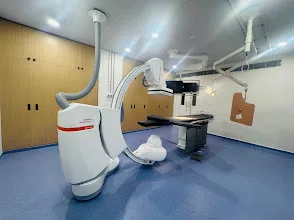
- Coronary angiogram when the treadmill test or symptoms suggest significant disease
- Lipid profile, HbA1c and kidney function
How it is treated
Treatment is decided case by case — by how advanced the problem is, what else you are being treated for, and what you can realistically sustain. Broadly, it involves the following.
- Medication to reduce the heart's workload and prevent clot formation
- Angioplasty with stenting for significant single or multi-vessel narrowing
- Bypass surgery referral for extensive disease
- Strict control of blood pressure, blood sugar and cholesterol
- Complete tobacco cessation and a structured, graded walking programme
This page is general information, not a diagnosisAngina can look like several other conditions, and the reverse is equally true. Nothing here can replace an examination, your test results and the judgement of the doctor treating you — and no medicine mentioned by name to a friend or relative should be started on the strength of this page. If you recognise yourself in it, book a consultation with the Cardiology department. If a symptom is sudden or severe, call 9281862028.