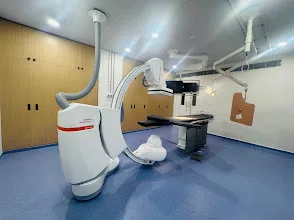
24x7 Emergency & Critical CareRachanapalli, Anantapur

Heart & Circulation

Arrhythmia

An arrhythmia is an abnormal heart rhythm — too fast, too slow or irregular. Some are harmless and need only reassurance; others, such as atrial fibrillation, raise the risk of stroke and need long-term treatment.

Symptoms

Not everyone gets every symptom, and the pattern can differ in older people, in people with diabetes and in children. These are the ones most often reported.

  • Palpitations — an awareness of the heart racing, thumping or skipping
  • Giddiness or light-headedness, especially on standing
  • Fainting or near-fainting without warning
  • Breathlessness or chest discomfort during episodes
  • Unusual tiredness in someone with a persistently slow pulse
  • An irregular pulse noticed during a routine examination

When to see a doctor

Do not wait these out

If any of the following applies, arrange to be seen the same day. For anything sudden or severe, call 9281862028 or come straight to the emergency department at SIMS — it is open 24 hours and does not need an appointment.

  • Fainting or near-fainting with palpitations — this needs urgent assessment
  • Palpitations with chest pain or breathlessness
  • A pulse that stays very fast or very slow at rest
  • Any irregular pulse found in a person with high blood pressure, diabetes or previous stroke

Tests that may be advised

Your consultant will order only the investigations that change the plan. Most of the following are available on the SIMS campus, so results usually come back the same visit.

  • ECG during and between episodes
  • 24-hour Holter monitoring to capture intermittent rhythm changes
  • 2D echocardiography to check structure and valve function
  • Thyroid function, haemoglobin and electrolytes
  • Treadmill test where symptoms occur on exertion

How it is treated

Treatment is decided case by case — by how advanced the problem is, what else you are being treated for, and what you can realistically sustain. Broadly, it involves the following.

  • Rate- or rhythm-controlling medication depending on the type of arrhythmia
  • Blood-thinning treatment to prevent stroke in atrial fibrillation, when indicated
  • Correction of reversible triggers — thyroid disease, anaemia, electrolyte imbalance, excess caffeine or alcohol
  • Temporary or permanent pacing for dangerously slow rhythms
  • Referral for electrophysiology study and ablation in selected patients
This page is general information, not a diagnosis

Arrhythmia can look like several other conditions, and the reverse is equally true. Nothing here can replace an examination, your test results and the judgement of the doctor treating you — and no medicine mentioned by name to a friend or relative should be started on the strength of this page. If you recognise yourself in it, book a consultation with the Cardiology department. If a symptom is sudden or severe, call 9281862028.

Worried it might be arrhythmia?

A consultation settles the question far faster than more reading. Tell us your symptoms and we will route you to the department that treats it.