24x7 Emergency & Critical CareRachanapalli, Anantapur

Heart & Circulation

Heart Attack

A heart attack happens when blood flow through a coronary artery is blocked and part of the heart muscle begins to die. Every minute of delay costs muscle that does not grow back, which is why it is treated as a time emergency rather than a consultation.

Symptoms

Not everyone gets every symptom, and the pattern can differ in older people, in people with diabetes and in children. These are the ones most often reported.

  • Heaviness, pressure or squeezing in the centre of the chest lasting more than a few minutes
  • Pain spreading to the left arm, jaw, neck, back or upper abdomen
  • Cold sweating with nausea or vomiting
  • Sudden breathlessness, with or without chest pain
  • Extreme weakness, giddiness or a feeling of impending doom
  • In people with diabetes and in older women, breathlessness or fatigue without any chest pain

When to see a doctor

Do not wait these out

If any of the following applies, arrange to be seen the same day. For anything sudden or severe, call 9281862028 or come straight to the emergency department at SIMS — it is open 24 hours and does not need an appointment.

  • Chest discomfort lasting more than a few minutes, or coming and going — call 108 immediately
  • Chest pain with sweating, vomiting or breathlessness
  • Fainting or collapse in someone with known heart disease or diabetes
  • Do not drive yourself, and do not wait to see whether it settles by morning

Tests that may be advised

Your consultant will order only the investigations that change the plan. Most of the following are available on the SIMS campus, so results usually come back the same visit.

  • ECG, taken within minutes of arrival
  • Cardiac enzyme blood tests (troponin)
  • 2D echocardiography to assess heart muscle function
  • Coronary angiogram to locate the blockage
  • Blood sugar, kidney function and lipid profile

How it is treated

Treatment is decided case by case — by how advanced the problem is, what else you are being treated for, and what you can realistically sustain. Broadly, it involves the following.

  • Immediate aspirin and clot-related medication given by the emergency team
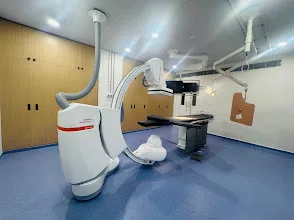
  • Primary angioplasty with stenting in the catheterisation laboratory where indicated
  • Clot-dissolving therapy when angioplasty is not immediately possible
  • Coronary care unit monitoring for rhythm disturbance and heart failure
  • Referral for bypass surgery when the pattern of blockage requires it
  • Long-term medication, cardiac rehabilitation and risk-factor control
This page is general information, not a diagnosis

Heart Attack can look like several other conditions, and the reverse is equally true. Nothing here can replace an examination, your test results and the judgement of the doctor treating you — and no medicine mentioned by name to a friend or relative should be started on the strength of this page. If you recognise yourself in it, book a consultation with the Cardiology department. If a symptom is sudden or severe, call 9281862028.

Worried it might be heart attack?

A consultation settles the question far faster than more reading. Tell us your symptoms and we will route you to the department that treats it.