Breast cancer is the commonest cancer among women in India, and it is highly treatable when found early. It still presents late in this region, largely because a painless lump does not frighten people the way a painful one does.
Symptoms
Not everyone gets every symptom, and the pattern can differ in older people, in people with diabetes and in children. These are the ones most often reported.
- A lump or thickening in the breast or armpit, usually painless
- Change in the size or shape of the breast
- Dimpling or puckering of the skin, or an orange-peel appearance
- A nipple that has newly turned inward
- Blood-stained or clear discharge from the nipple
- Persistent rash, ulceration or scaling around the nipple
When to see a doctor
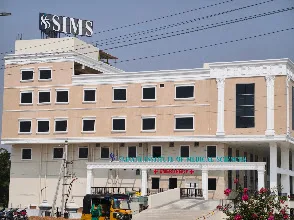
Do not wait these outIf any of the following applies, arrange to be seen the same day. For anything sudden or severe, call 9281862028 or come straight to the emergency department at SIMS — it is open 24 hours and does not need an appointment.
- Any new breast lump — do not wait to see whether it grows or becomes painful
- Nipple discharge, especially if blood-stained or from one side
- Skin dimpling, retraction or ulceration over the breast
- A lump in the armpit
- Any breast change in a woman with a mother or sister who had breast cancer
Tests that may be advised
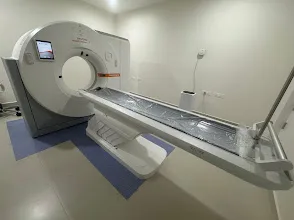
Your consultant will order only the investigations that change the plan. Most of the following are available on the SIMS campus, so results usually come back the same visit.
- Clinical breast examination
- Mammography, with ultrasound in younger women with dense breasts
- Core needle biopsy for tissue diagnosis
- Hormone receptor and HER2 testing on the biopsy sample
- Staging scans — chest, abdomen and bone imaging as indicated
How it is treated
Treatment is decided case by case — by how advanced the problem is, what else you are being treated for, and what you can realistically sustain. Broadly, it involves the following.
- Surgery — breast conservation or mastectomy, with assessment of the armpit lymph nodes
- Chemotherapy before or after surgery where indicated
- Radiotherapy, coordinated through referral where required
- Hormonal or targeted therapy based on receptor status
- Reconstruction planning and rehabilitation of the arm after surgery
- Long-term surveillance with clinical review and imaging
This page is general information, not a diagnosisBreast Cancer can look like several other conditions, and the reverse is equally true. Nothing here can replace an examination, your test results and the judgement of the doctor treating you — and no medicine mentioned by name to a friend or relative should be started on the strength of this page. If you recognise yourself in it, book a consultation with the Surgical Oncology department. If a symptom is sudden or severe, call 9281862028.