Colorectal cancer arises in the large intestine or rectum, often growing from a polyp over several years. Its early symptoms are easy to dismiss as piles or indigestion, which is why any persistent change in bowel habit deserves a proper look.
Symptoms
Not everyone gets every symptom, and the pattern can differ in older people, in people with diabetes and in children. These are the ones most often reported.
- A persistent change in bowel habit — new constipation or looseness lasting weeks
- Blood or mucus in the stool
- A feeling of incomplete evacuation after passing stool
- Cramping abdominal pain and bloating
- Unexplained weight loss and tiredness
- Iron-deficiency anaemia with no obvious cause, particularly in men
When to see a doctor
Do not wait these outIf any of the following applies, arrange to be seen the same day. For anything sudden or severe, call 9281862028 or come straight to the emergency department at SIMS — it is open 24 hours and does not need an appointment.
- Blood in the stool at any age — never assume it is only piles
- A change in bowel habit lasting more than four weeks
- Unexplained weight loss with abdominal symptoms
- Anaemia found on a routine test in a man or a post-menopausal woman
- A family history of bowel cancer or polyps, which brings screening forward
Tests that may be advised
Your consultant will order only the investigations that change the plan. Most of the following are available on the SIMS campus, so results usually come back the same visit.
- Colonoscopy with biopsy — the definitive test
- Faecal occult blood testing as a screening tool
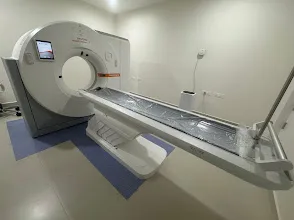
- CT scan of the abdomen, pelvis and chest for staging
- Complete blood count and CEA tumour marker
- MRI of the pelvis for rectal tumours
How it is treated
Treatment is decided case by case — by how advanced the problem is, what else you are being treated for, and what you can realistically sustain. Broadly, it involves the following.
- Removal of polyps at colonoscopy, which prevents cancer developing
- Surgical resection of the affected bowel segment with lymph node clearance
- Chemotherapy before or after surgery based on stage
- Radiotherapy for rectal cancer, coordinated through referral
- Stoma care and nutritional support where a stoma is required
- Surveillance colonoscopy and follow-up imaging after treatment
This page is general information, not a diagnosisColorectal Cancer can look like several other conditions, and the reverse is equally true. Nothing here can replace an examination, your test results and the judgement of the doctor treating you — and no medicine mentioned by name to a friend or relative should be started on the strength of this page. If you recognise yourself in it, book a consultation with the Surgical Oncology department. If a symptom is sudden or severe, call 9281862028.